LS-DYNA Simulation of GFRP Composite Tube Crash Behavior
This study simulated the crash behavior of a multi-layer Glass Fiber Reinforced Polymer (GFRP) composite tube under head-on and oblique impact conditions. The simulations validated the model against research findings and demonstrated how geometric adjustments could achieve consistent crash energy absorption across varying impact angles.
Project Overview
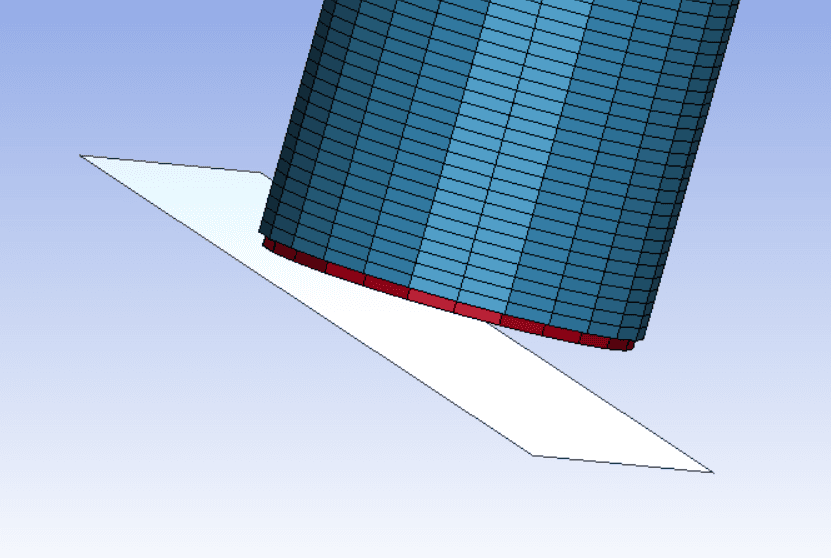
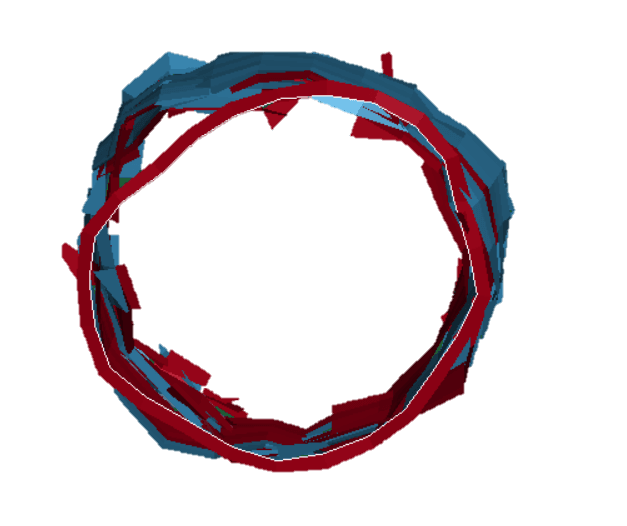
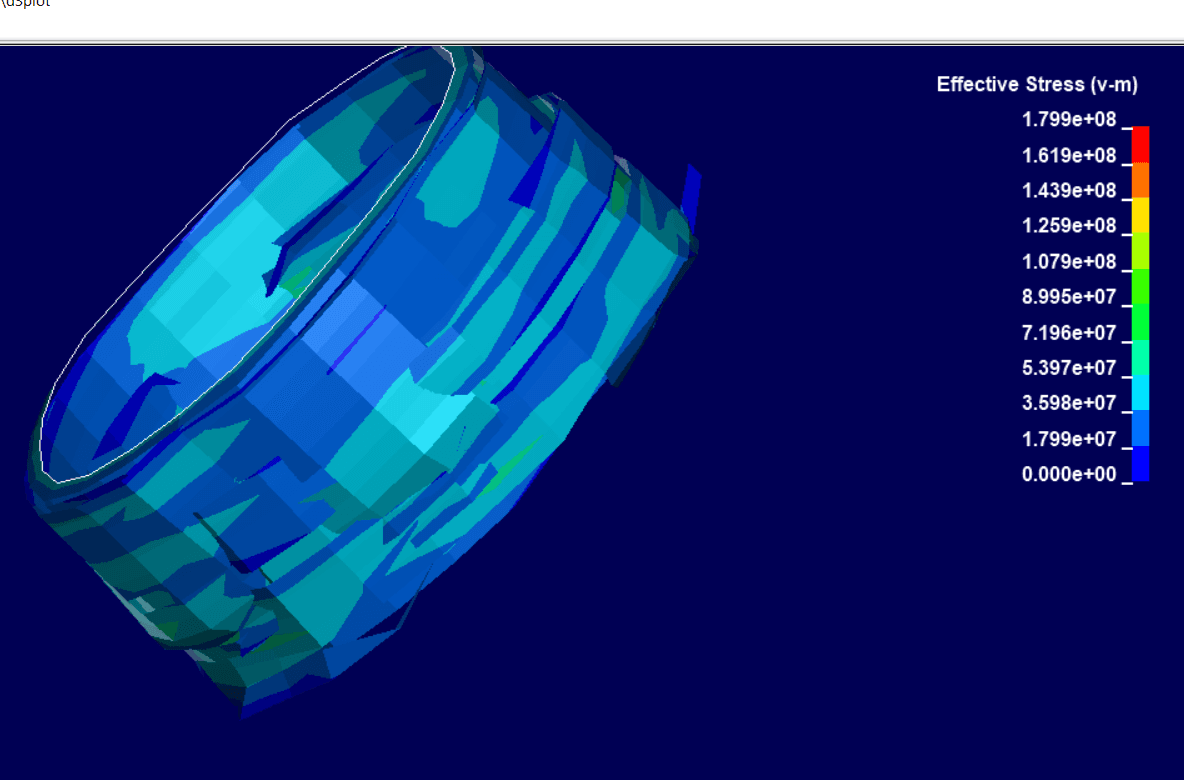
Automotive safety applications increasingly rely on composite materials, making accurate predictive models crucial for evaluating their crashworthiness. This project utilized Ansys LS-DYNA to simulate the crash behavior of a multi-layer Glass Fiber Reinforced Polymer (GFRP) composite tube. Shell elements and advanced contact conditions, including AUTOMATIC_ONE_WAY_SUFACE_TO_SURFCAE_TIEBREAK, were employed to model both head-on (90°) and oblique (15°) impacts against a rigid wall. Initial simulations were rigorously validated against established research data, comparing peak and mean forces, as well as deformation characteristics. The validated model successfully predicted the head-on crash response. For oblique impacts, an iterative process involving geometric adjustments, specifically increasing the tube's thickness, was performed to achieve comparable energy absorption characteristics to the head-on scenario. This study provides insights into optimizing composite structures for consistent crash performance across diverse impact conditions.
Results
Need a similar simulation?
Get a fixed-price quote within 24 hours.