CFD Parametric Study of Cooling Tower Recirculation and Physics-Informed Surrogate
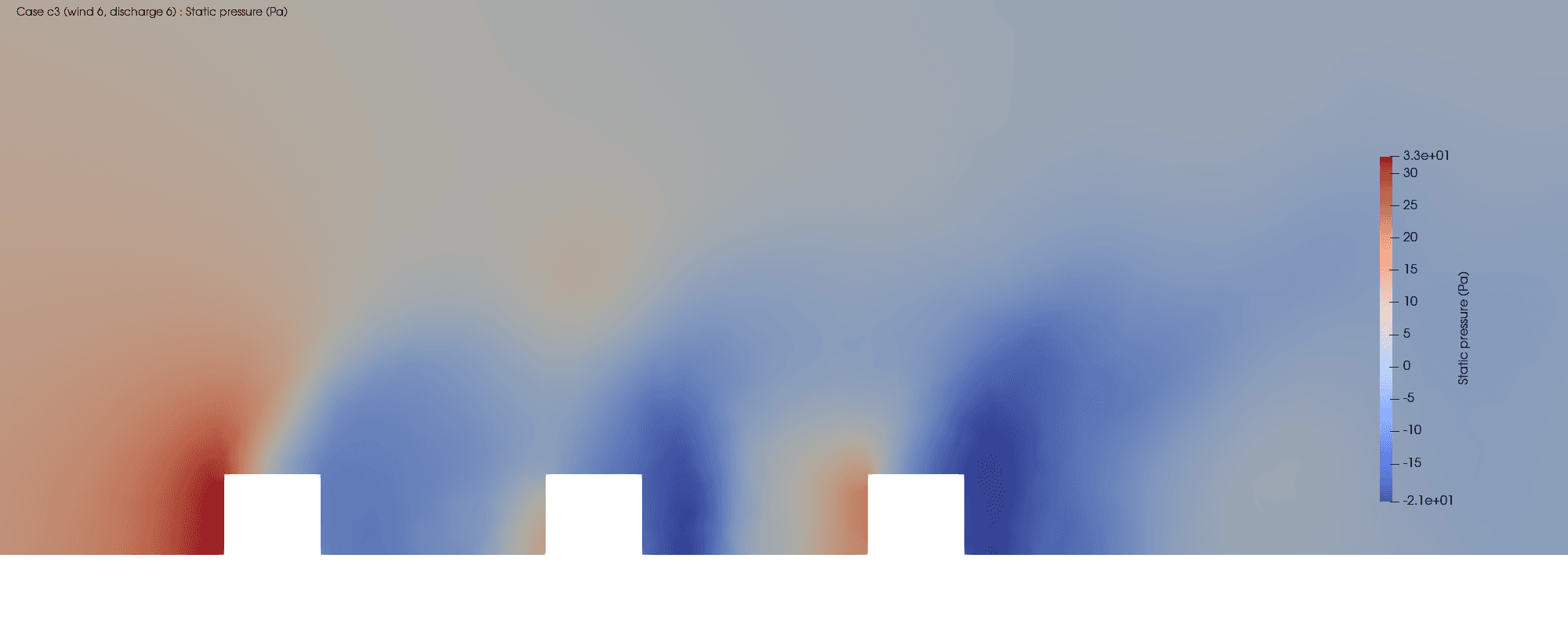
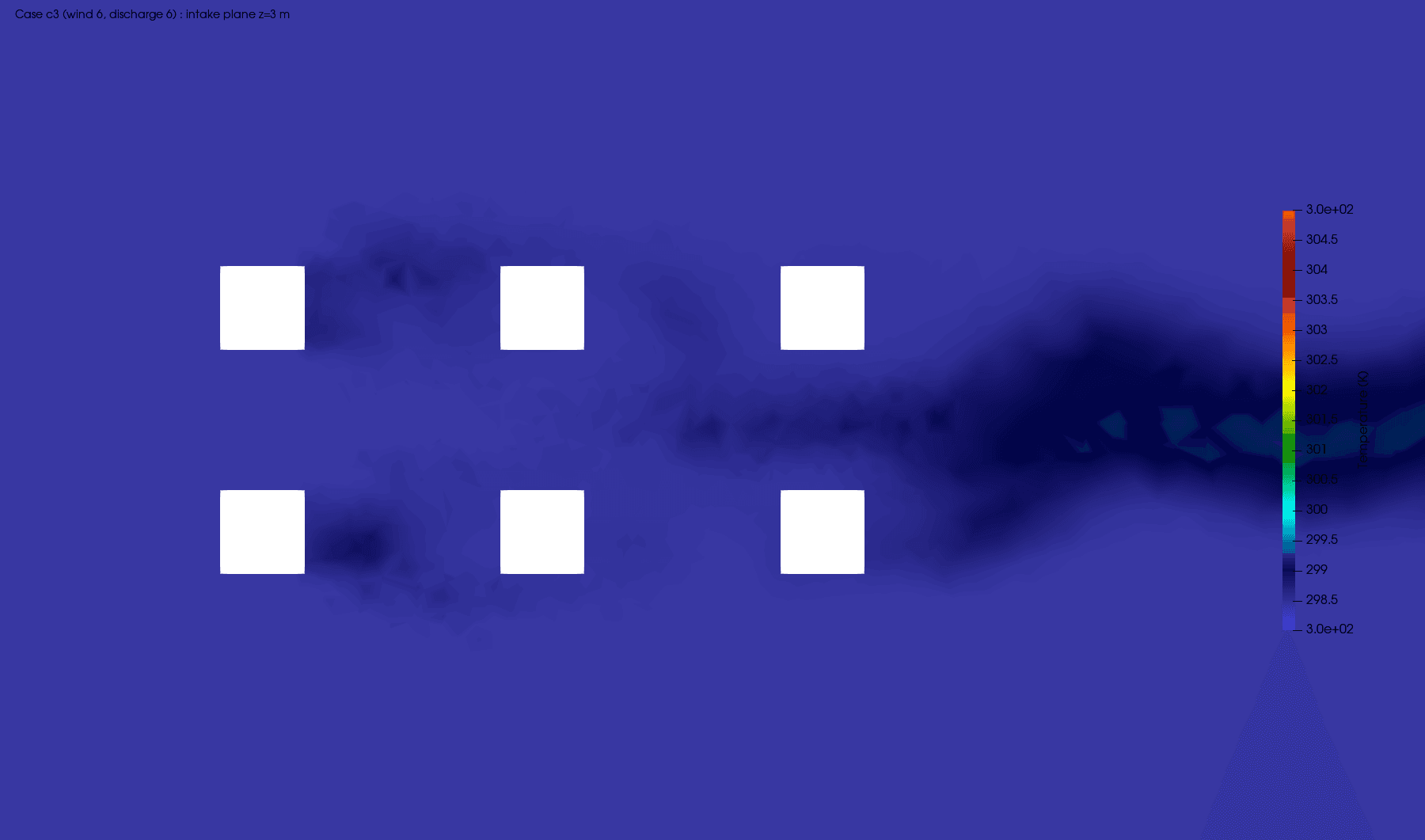
This project investigated hot-air recirculation in cooling tower arrays, a critical issue reducing thermal capacity and efficiency in industrial heat-rejection yards. A comprehensive CFD parametric study characterized recirculation across varying operating conditions, complemented by a physics-informed surrogate for rapid, millisecond-scale field predictions.
Project Overview
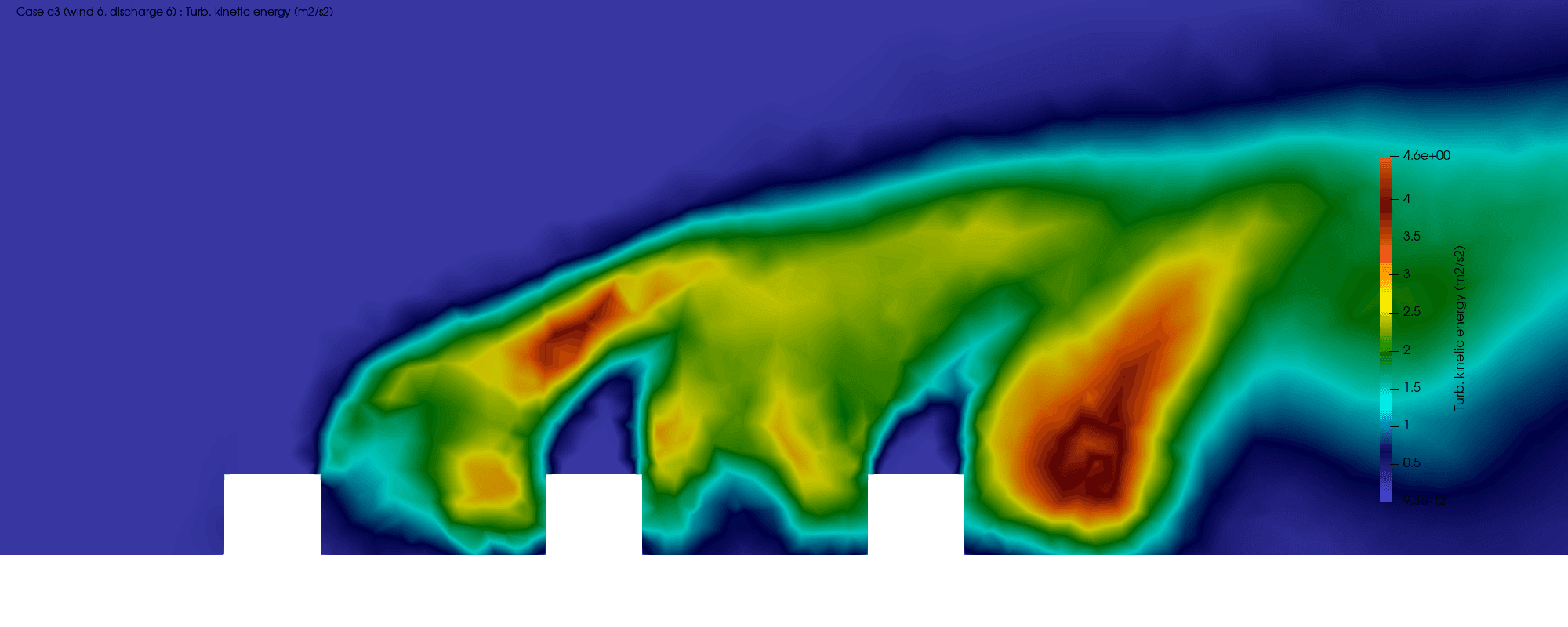
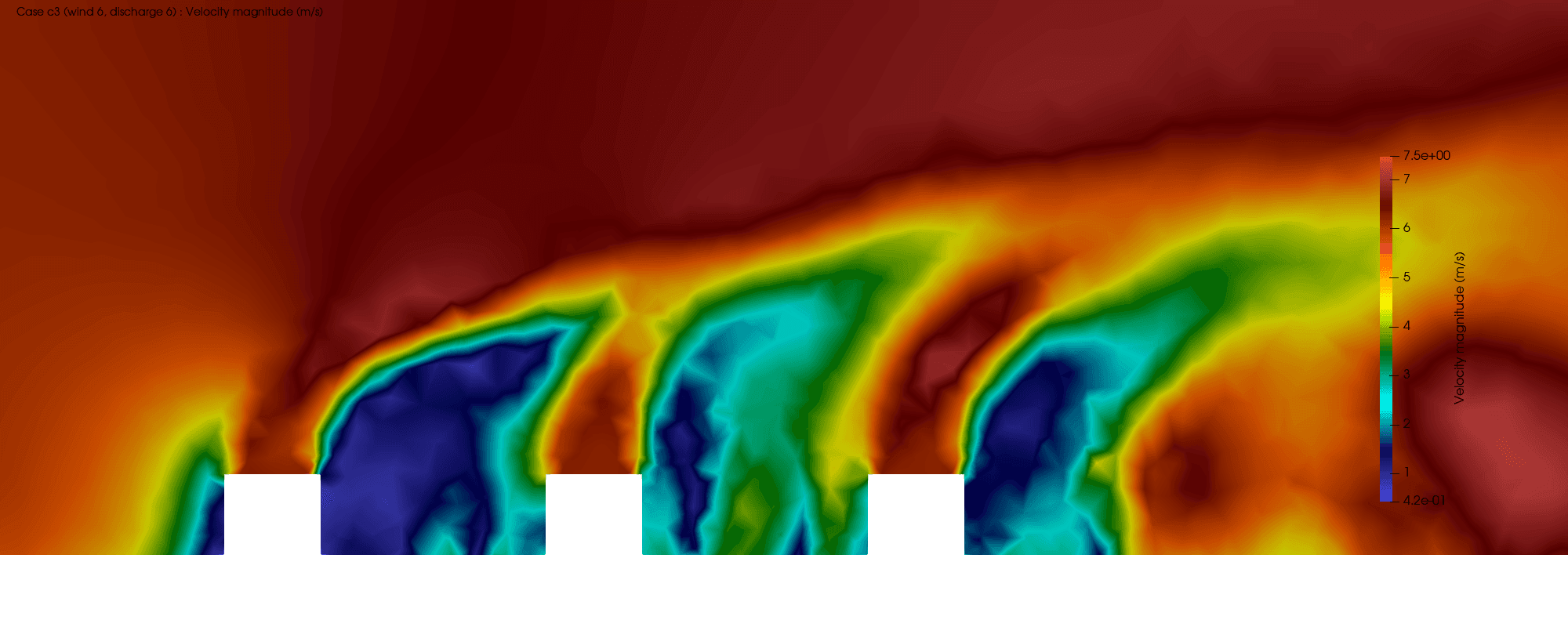
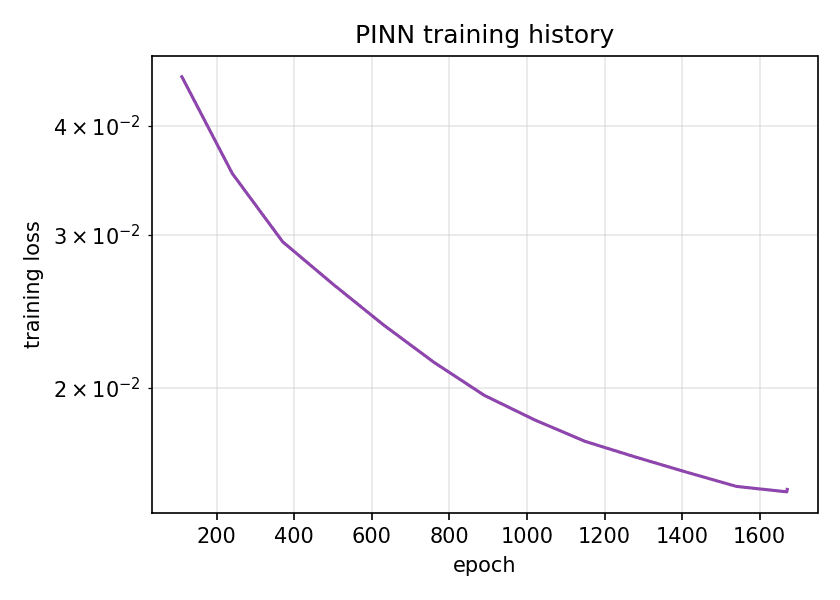
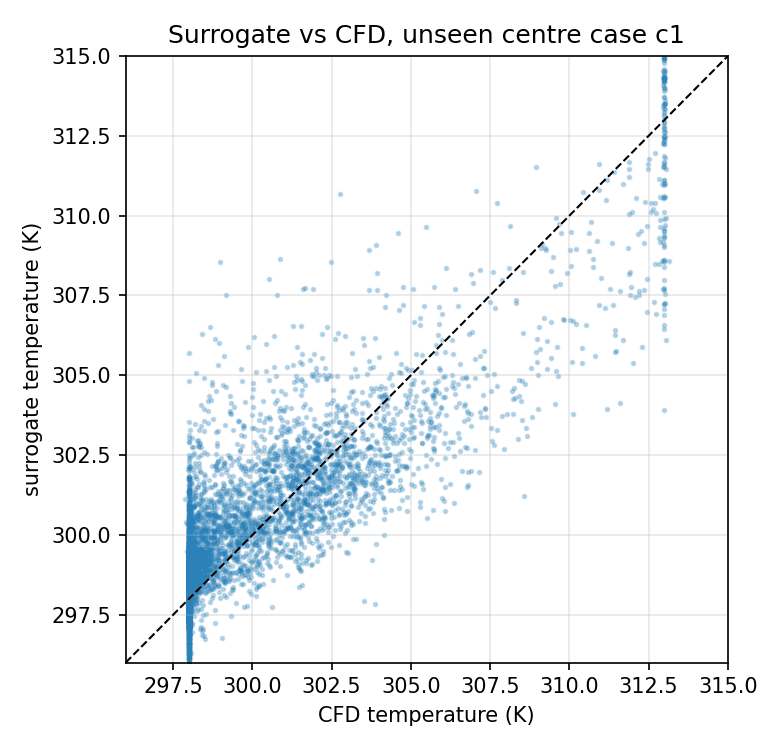
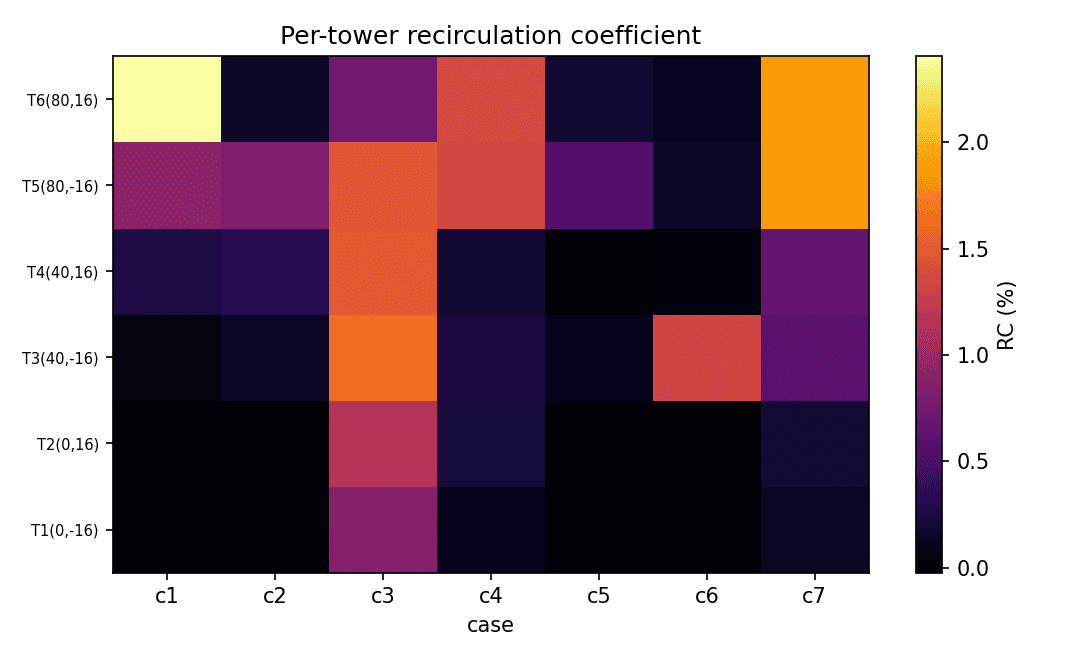
Hot-air recirculation in cooling tower arrays poses a significant challenge for thermal plant design, leading to reduced efficiency and increased energy consumption in facilities like data centers. This study employed steady Reynolds-averaged Navier-Stokes (RANS) Computational Fluid Dynamics to conduct a parametric sweep across a generic six-unit cooling tower array. The simulations characterized the recirculation coefficient as a function of wind speed and discharge velocity, elucidating the transition between buoyancy-dominated and wind-dominated flow regimes using the realizable k-epsilon turbulence model. Complementing the CFD analysis, a physics-informed surrogate model was developed to learn the full three-dimensional temperature and velocity fields. This surrogate enables rapid evaluation of new operating points in milliseconds, providing a powerful tool for design optimization and operational analysis without requiring further computationally expensive CFD runs.
Results
Need a similar simulation?
Get a fixed-price quote within 24 hours.