CFD Analysis of NACA 0012 Airfoil Aerodynamic Performance and Stall Characteristics
This project investigated the aerodynamic performance of a NACA 0012 airfoil across a range of angles of attack using Computational Fluid Dynamics. Results accurately captured linear lift increase and identified stall onset at 15-20 degrees, characterized by significant flow separation.
Project Overview
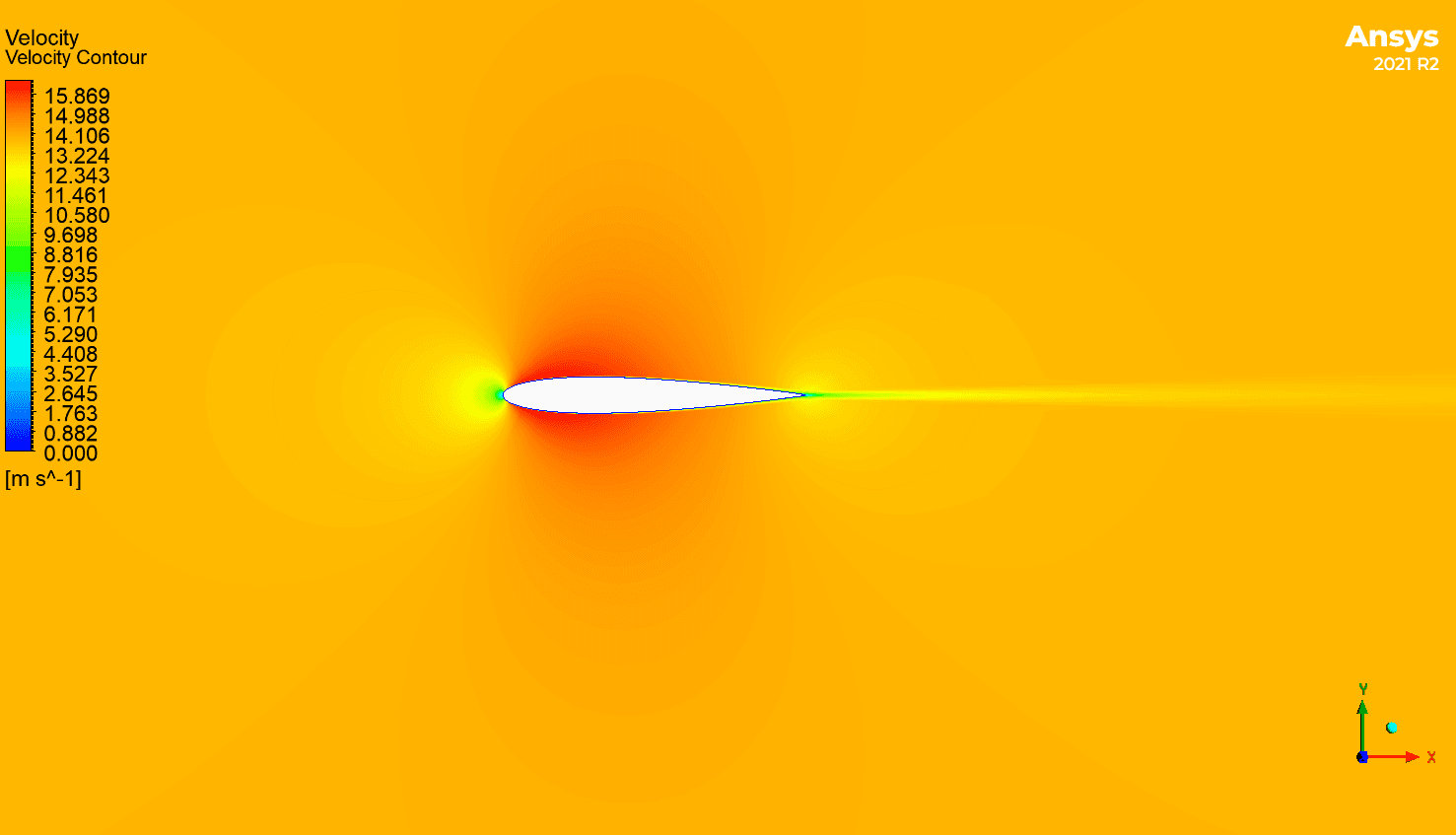
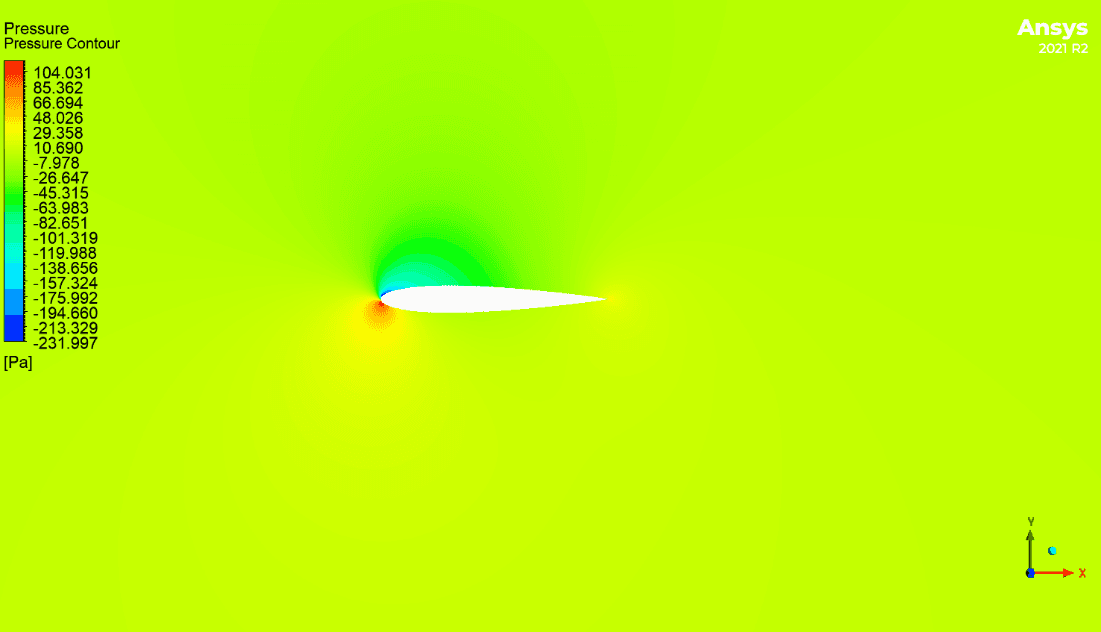
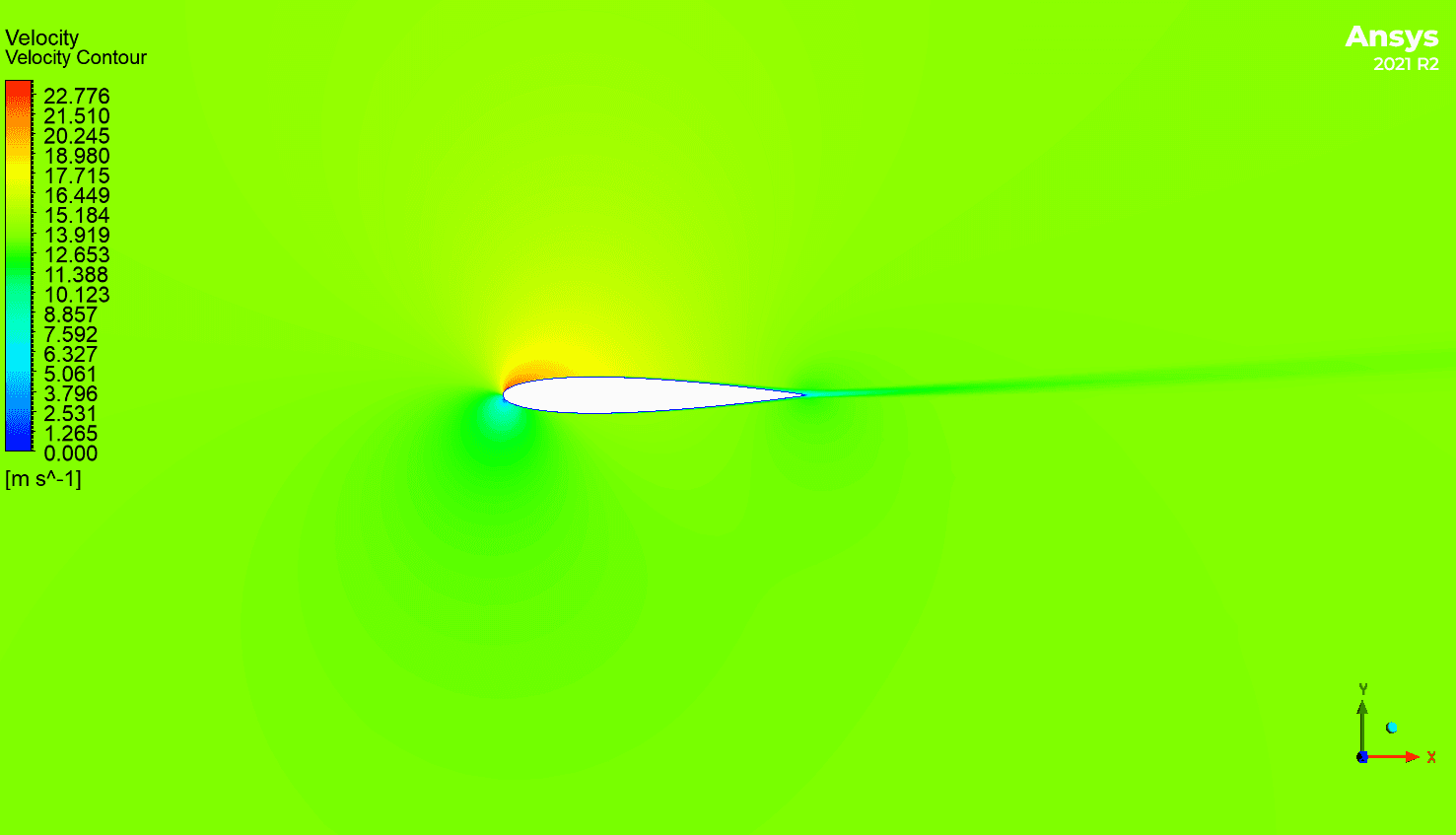
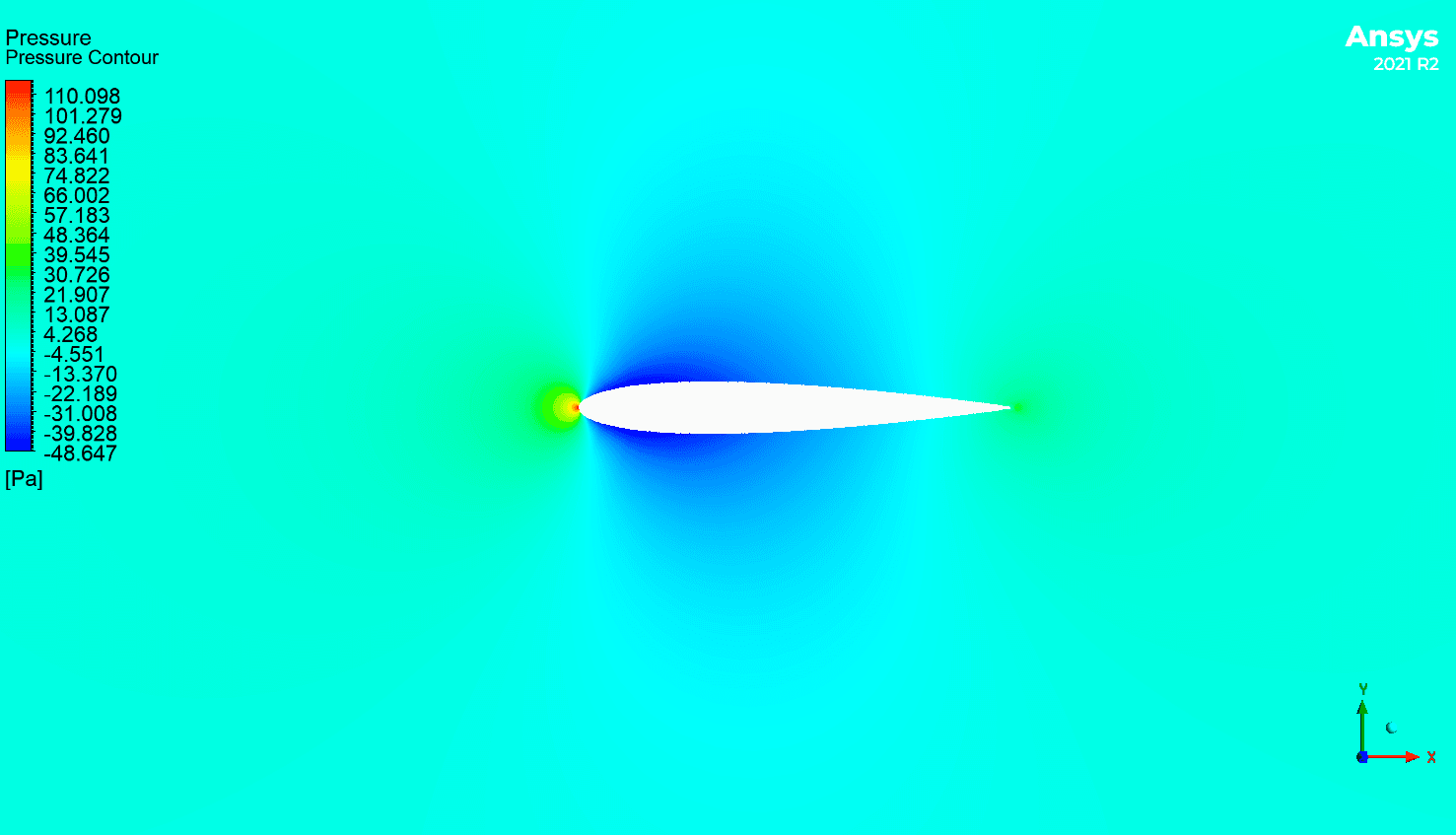
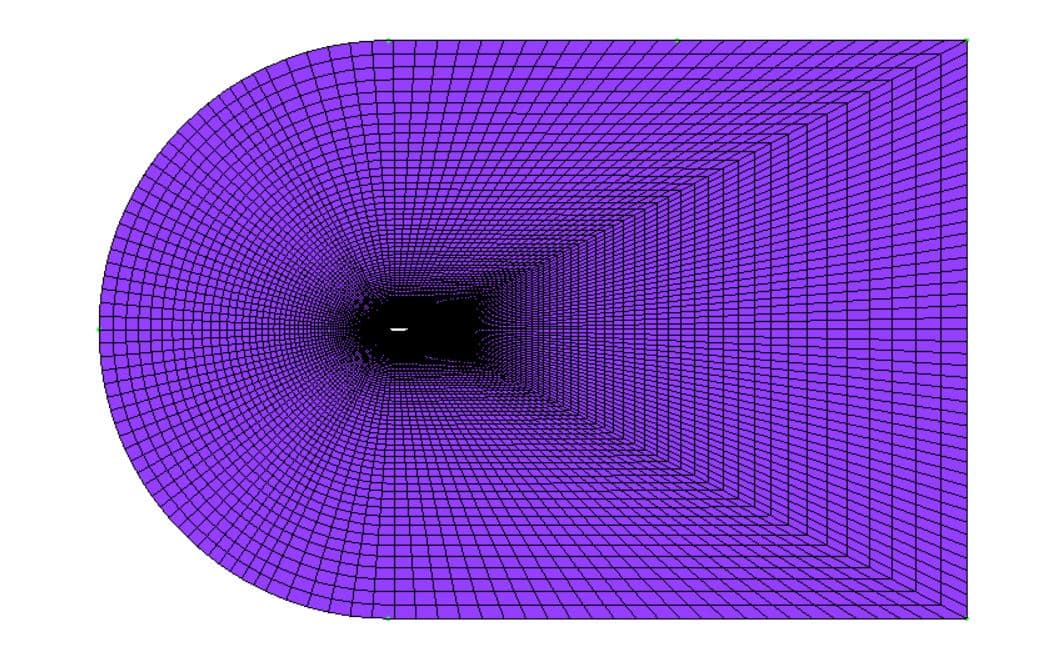
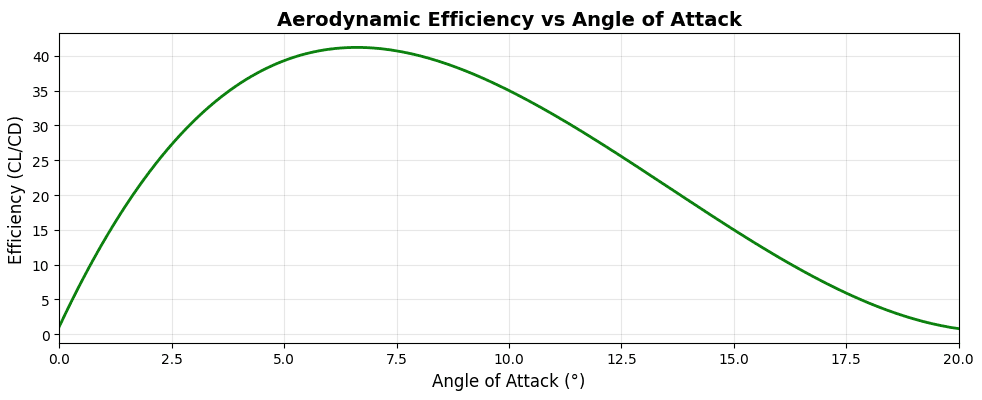
The aerodynamic performance of airfoils is critical for aircraft design, necessitating detailed analysis of lift and drag characteristics across various flight conditions. This study employed ANSYS Fluent to conduct a steady-state CFD analysis of a NACA 0012 airfoil from 0° to 20° angles of attack. A high-quality structured C-mesh was generated in ICEM CFD, ensuring a y+ ≈ 1 for accurate boundary layer resolution. The Spalart-Allmaras turbulence model was selected to capture flow phenomena, including separation. A grid independence study confirmed the optimal mesh resolution, and a coupled, pseudo-transient solver was utilized for robust convergence. The simulation accurately predicted a linear increase in lift coefficient up to 10°, with a peak lift-to-drag ratio of 39.29 at 5°. Stall onset was observed between 15° and 20°, marked by a flattening of the lift curve and a sharp increase in drag due to massive flow separation on the suction side, validated against experimental data in the linear regime.
Results
Need a similar simulation?
Get a fixed-price quote within 24 hours.