Spectral Analysis of Sinusoids: Zero-Padding and Windowing Effects with FFT
This project investigated the impact of zero-padding and various window functions on the frequency domain analysis of synthetic sinusoidal signals using the Fast Fourier Transform. It demonstrated that zero-padding enhances spectral resolution for visualization, while specific window functions are crucial for mitigating spectral leakage and accurately identifying signal components.
Project Overview
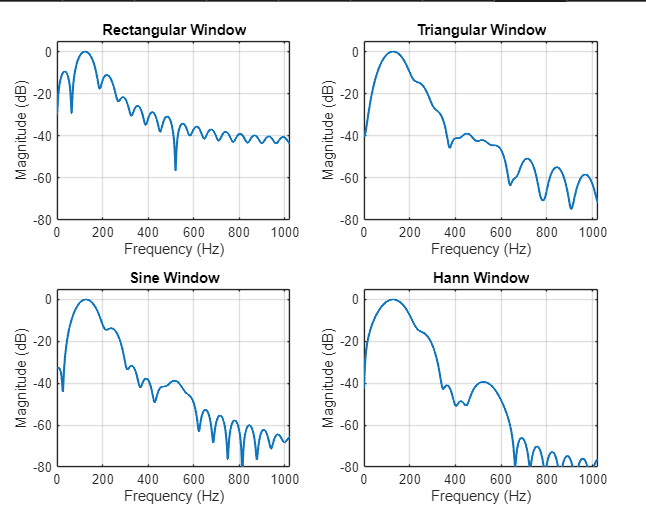
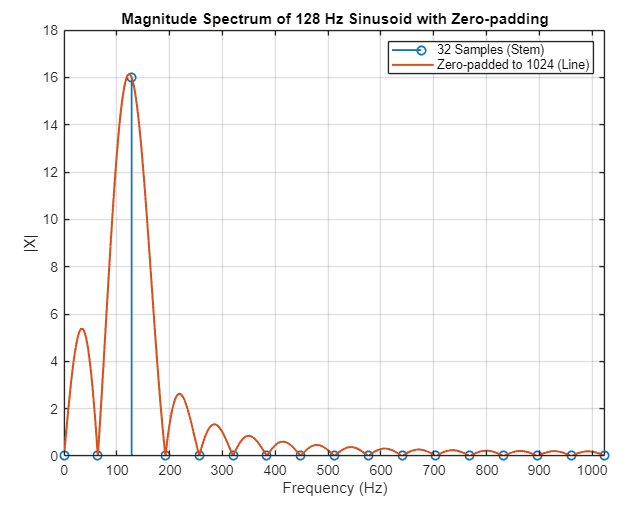
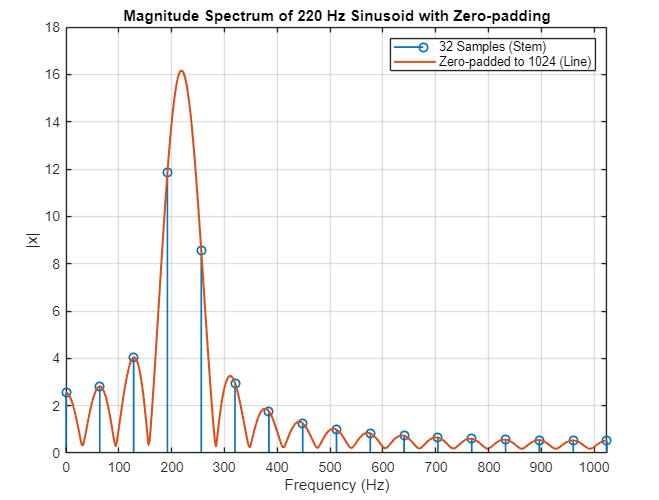
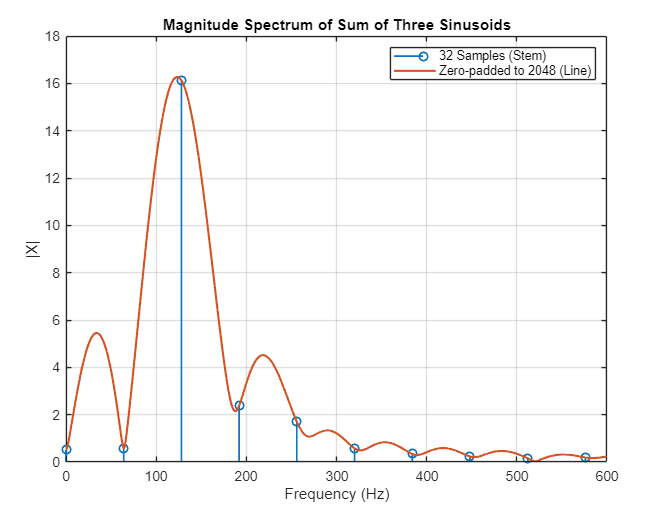
The accurate identification of frequency components in sampled signals is critical in many engineering applications, but challenges arise from limited sample sizes and spectral leakage. This project utilized MATLAB to simulate single and composite sinusoidal signals, applying the Fast Fourier Transform (FFT) to analyze their frequency spectra. The methodology systematically explored the effects of zero-padding on spectral resolution and the role of different window functions (Rectangular, Triangular, Sine, Hann) in minimizing spectral leakage. Code was developed to generate signals, perform FFTs, and visualize magnitude spectra, comparing the outputs of original versus processed signals. The analysis confirmed that zero-padding significantly improves the visual clarity of spectral peaks, aiding in the identification of distinct frequencies, though it does not reduce spectral leakage. Furthermore, the study highlighted how judicious selection of window functions is essential for suppressing sidelobes and enhancing the detectability of low-amplitude or closely spaced frequency components, providing a robust framework for practical signal decomposition.
Results
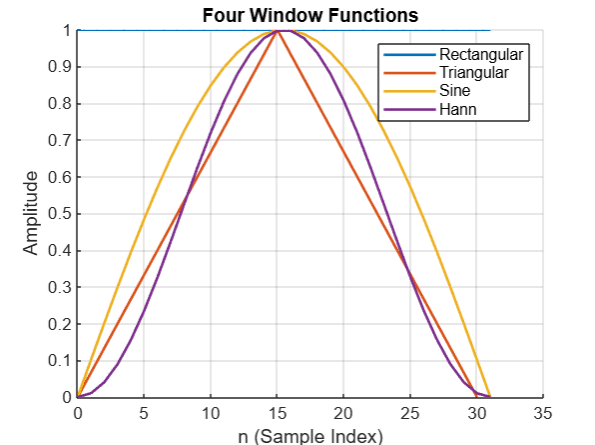
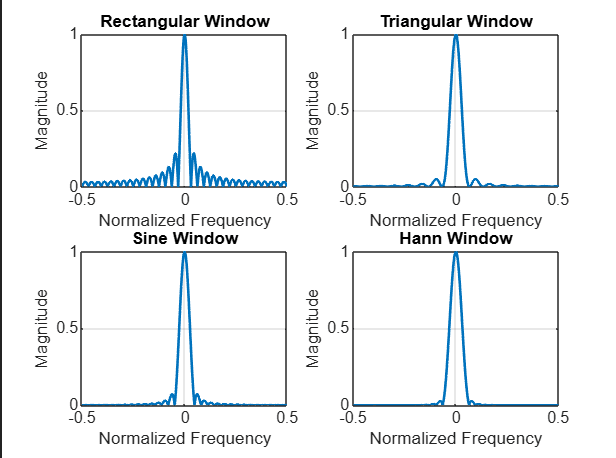

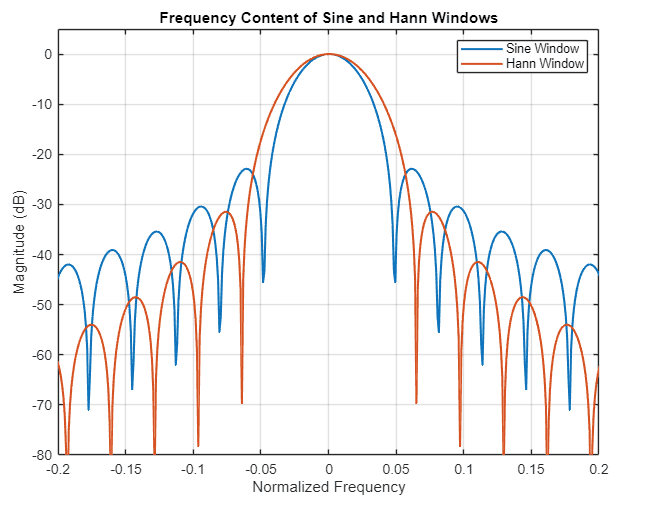

Need a similar simulation?
Get a fixed-price quote within 24 hours.