CFD Analysis of Bio-Inspired Flow Control for Pulsatile Flow Devices
This case study investigated turbulent flow characteristics within a generic pulsatile flow device using RANS CFD. The analysis demonstrated the effectiveness of bio-inspired geometric modifications in reducing turbulence and improving flow efficiency across operating conditions.
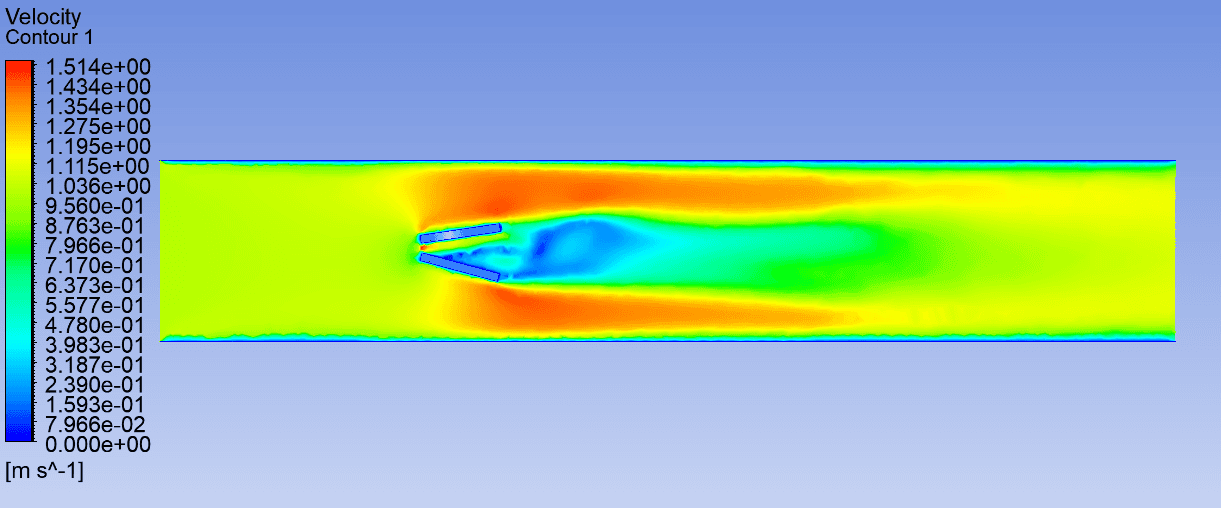
Project Overview
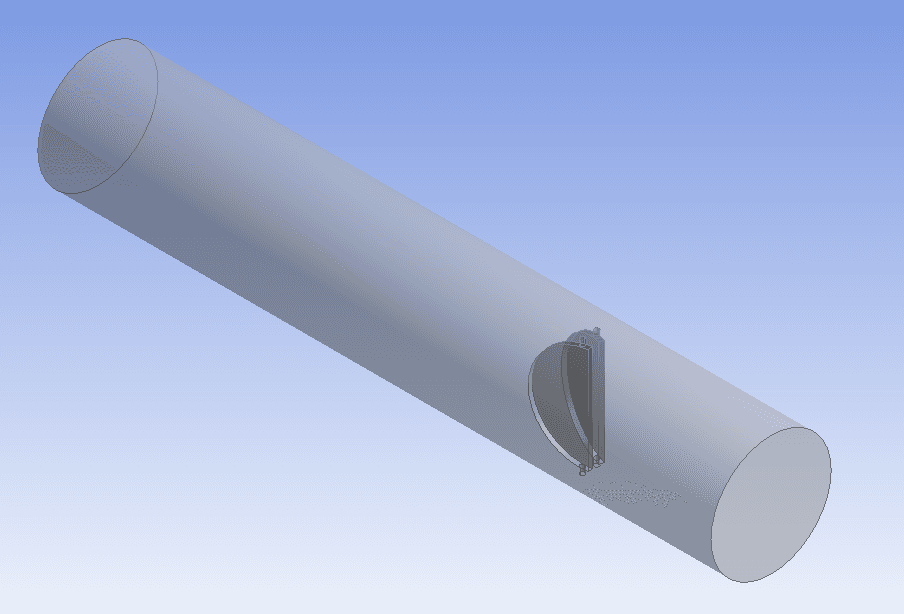
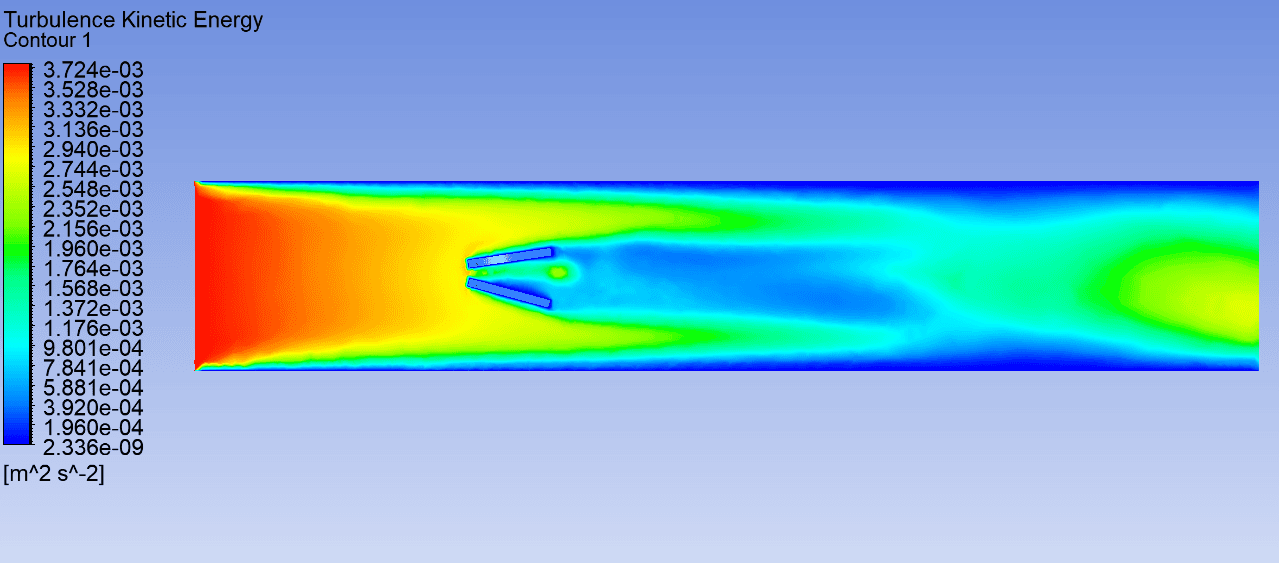
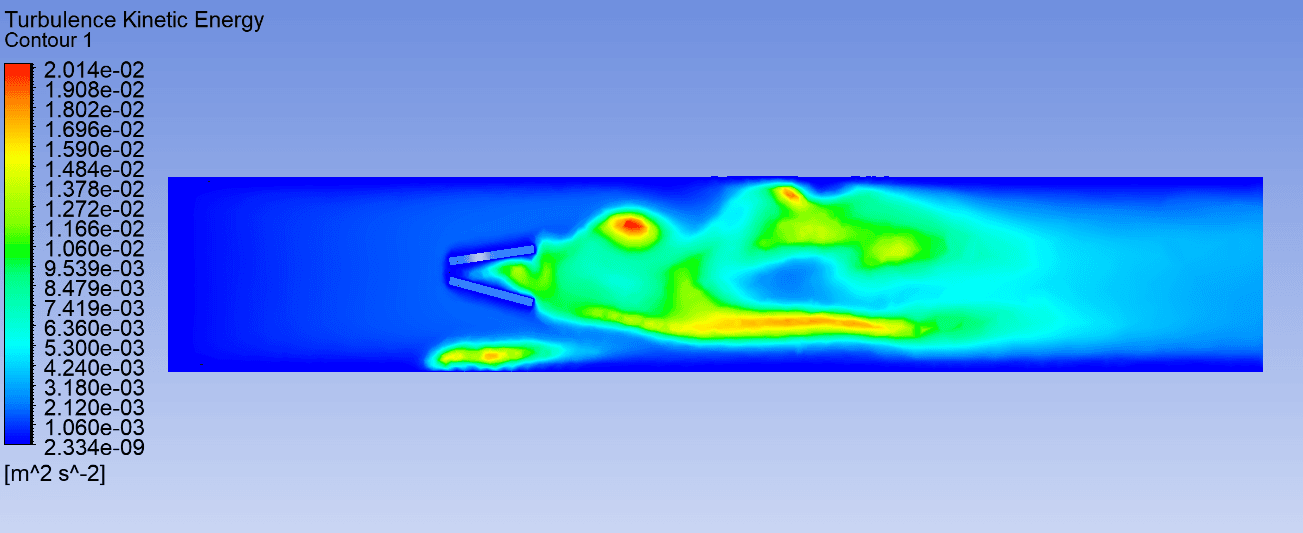
A comprehensive computational fluid dynamics (CFD) case study was conducted using ANSYS Fluent and the k-ω SST turbulence model, selected for its robust performance in capturing near-wall and adverse pressure gradient flows. The work explored the impact of bio-inspired geometric modifications on turbulent flow behavior within a generic device operating under physiologically relevant pulsatile conditions. A robust methodology was established, involving a mesh-independent polyhedral discretization and user-defined functions to accurately replicate dynamic inlet profiles. The analysis parametrically compared a baseline configuration against several modified designs, evaluating key flow characteristics such as volume-averaged turbulent kinetic energy, pressure drop, and flow closure dynamics. This study highlighted the capability of advanced CFD techniques to parametrically assess design improvements for complex, unsteady flow regimes, demonstrating the potential of biomimicry in engineering applications for enhanced performance.
Results
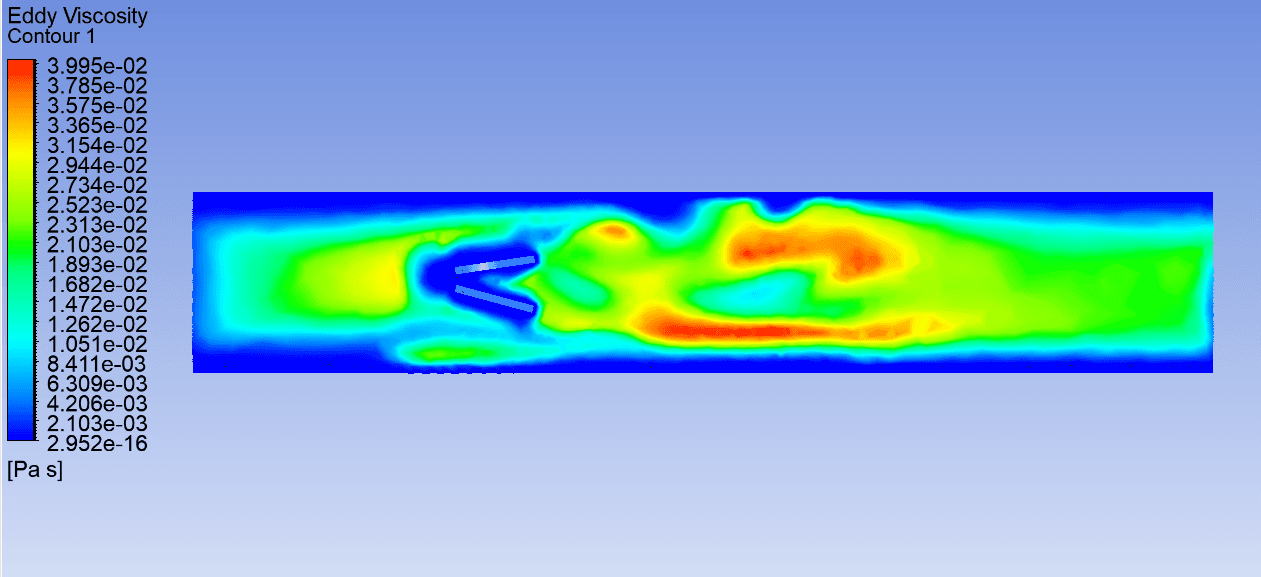
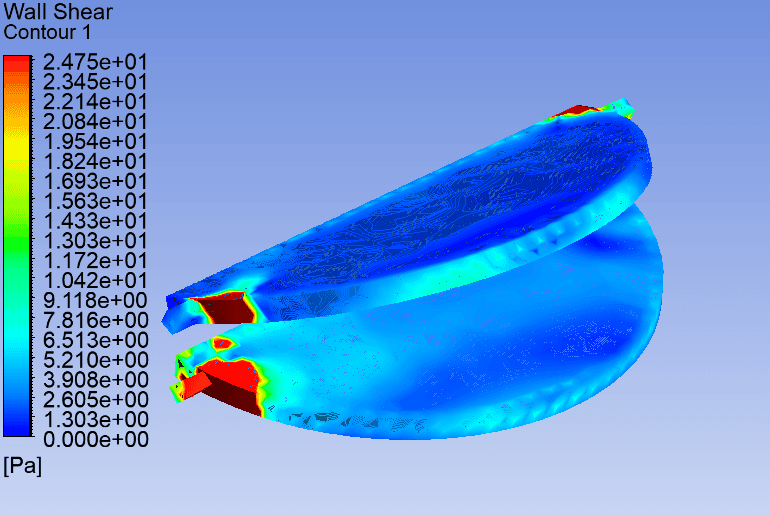
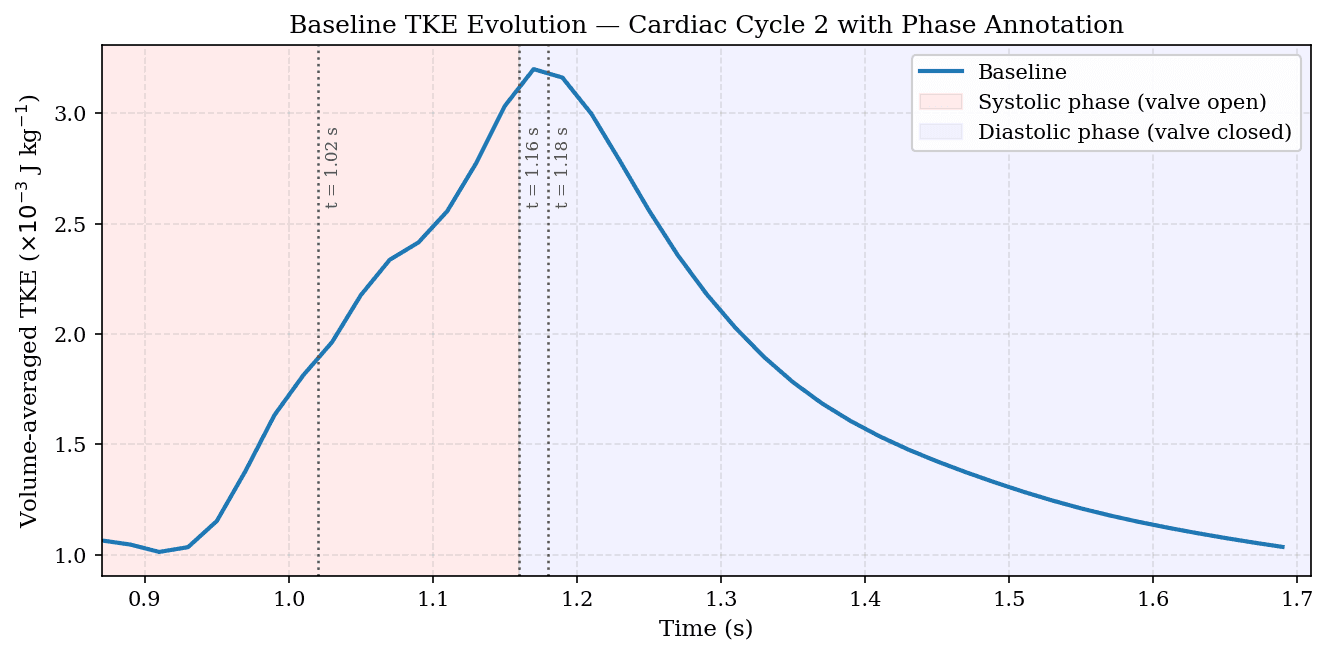
Need a similar simulation?
Get a fixed-price quote within 24 hours.