Rankine Cycle Efficiency Optimization using EES for Power Plant Design
This project investigated the thermodynamic performance and efficiency of a Rankine heat engine cycle under varying boiler and condenser pressures. Optimal pressure ranges were identified, achieving a maximum cycle efficiency of 10.52% within the defined operating constraints.
Project Overview
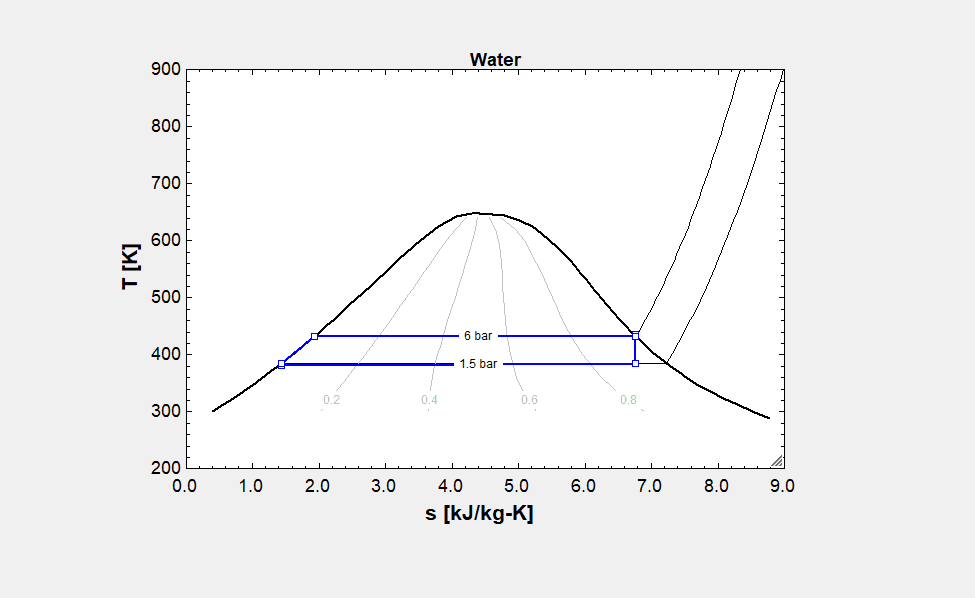
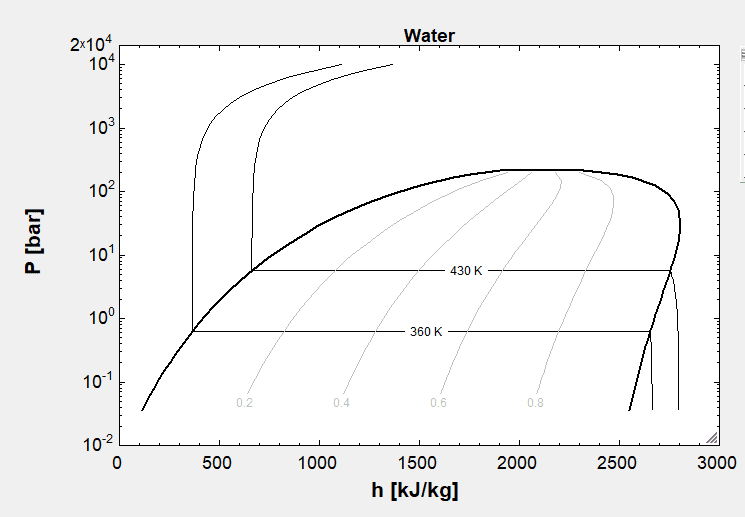
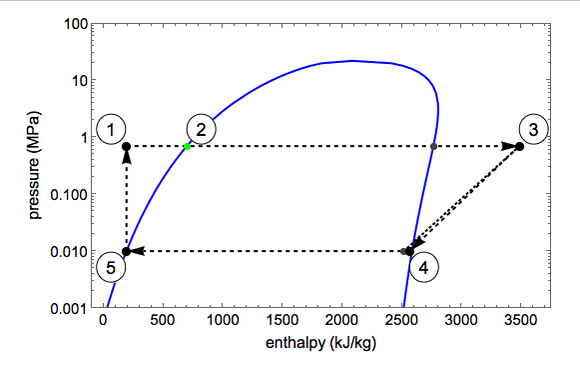
The Rankine heat engine cycle is a cornerstone of steam power plants, essential for converting thermal energy into mechanical work. Optimizing its efficiency is paramount for reducing operational costs and environmental footprint. This project systematically analyzed the cycle's thermodynamic performance by varying boiler and condenser pressures across a defined range. An ideal Rankine cycle model was developed based on fundamental thermodynamic principles and key assumptions, including isentropic compression and expansion. Engineering Equation Solver (EES) was the primary tool, used to accurately compute cycle parameters, generate performance curves like work output and back work ratio, and perform an optimization analysis. The study successfully identified specific pressure conditions that maximized the overall cycle efficiency, reaching 10.52%. Key findings revealed an inverse relationship between net work output and pump inlet pressure, alongside a positive correlation between boiler heat input and work output, offering crucial insights for efficient power plant design and operation.
Results

Need a similar simulation?
Get a fixed-price quote within 24 hours.