Design and Manufacturing of Autonomous Hybrid VTOL QuadPlane for SAR Missions
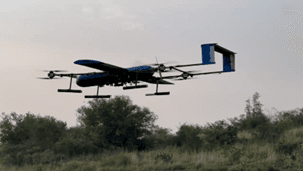
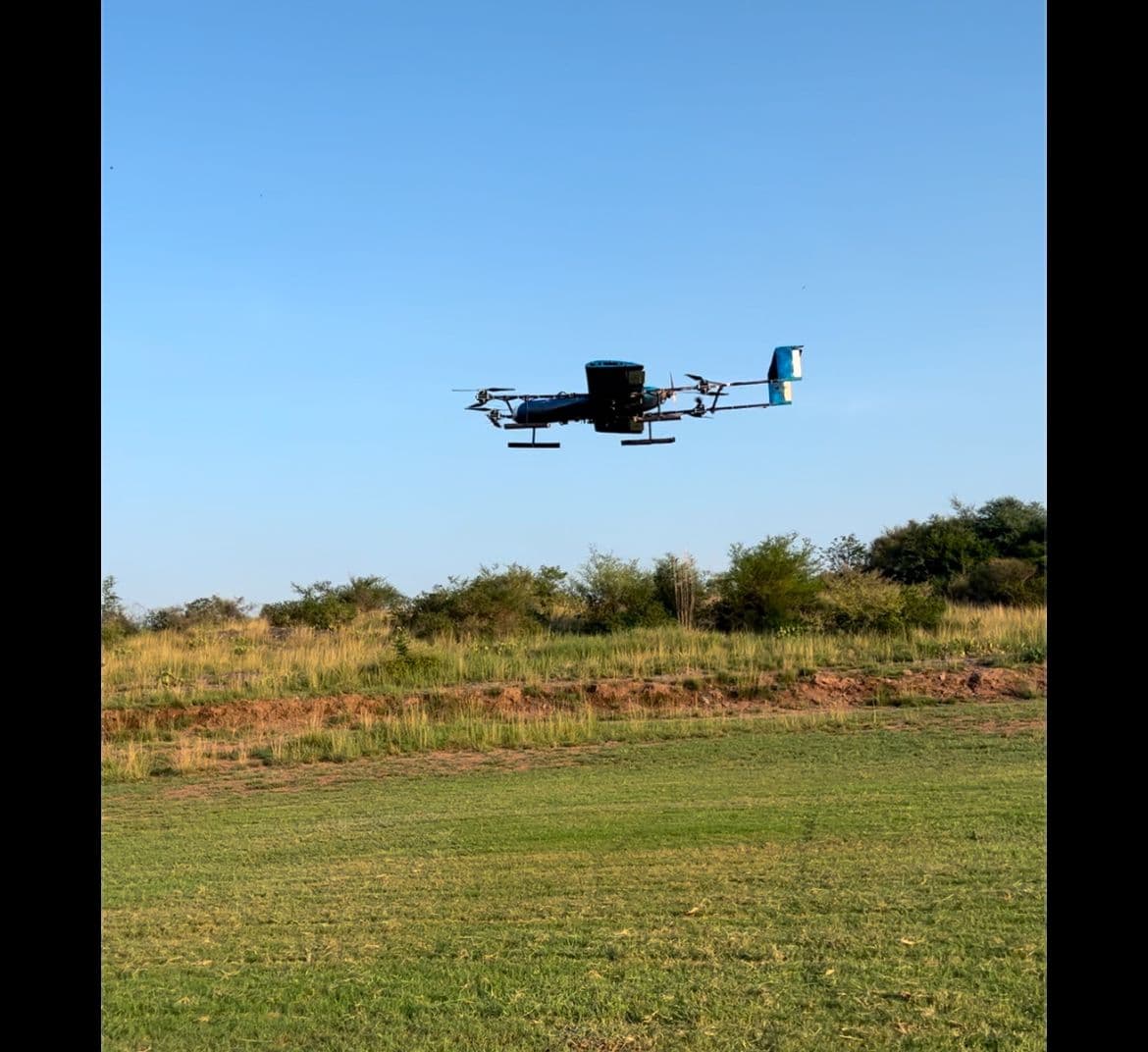
This project focused on developing an autonomous hybrid VTOL UAV for search and rescue applications, capable of navigating, detecting markers, and delivering payloads. The final design achieved a 35-minute endurance, 1.5 kg payload capacity, and a cruise speed of 17 m/s, demonstrating robust and efficient performance.
Project Overview
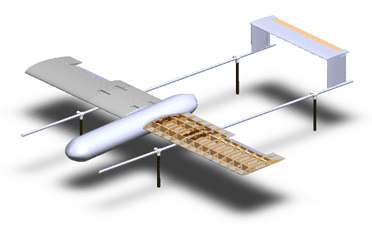
This project addressed the critical need for autonomous aerial platforms in search and rescue operations, focusing on a hybrid Vertical Takeoff and Landing (VTOL) Unmanned Aerial Vehicle (UAV) capable of independent navigation, target detection, and payload delivery to identified locations. The methodology involved determining aerodynamic parameters based on a 14 kg Maximum Takeoff Weight (MTOW) and mission constraints. Initial 3D designs were created in SolidWorks, balancing performance, cost, and manufacturability. Aerodynamic simulations were conducted using XFLR5, and structural Finite Element Analysis (FEA) in ANSYS validated critical components like motor mounts and ribs. Lightweight, durable composite skins were fabricated using wet layup and vacuum bagging techniques, while custom 3D-printed molds produced silicon parts for avionics vibration dampening. The resulting QuadPlane achieved a cruise speed of 17 m/s, a stall speed of 10 m/s, and an endurance of 35 minutes, supporting a 1.5 kg payload capacity. Its robust carbon fiber and balsa wood construction, combined with optimized composite skins, ensured durability and aerodynamic efficiency, demonstrating a viable solution for demanding search and rescue missions.
Results
Need a similar simulation?
Get a fixed-price quote within 24 hours.